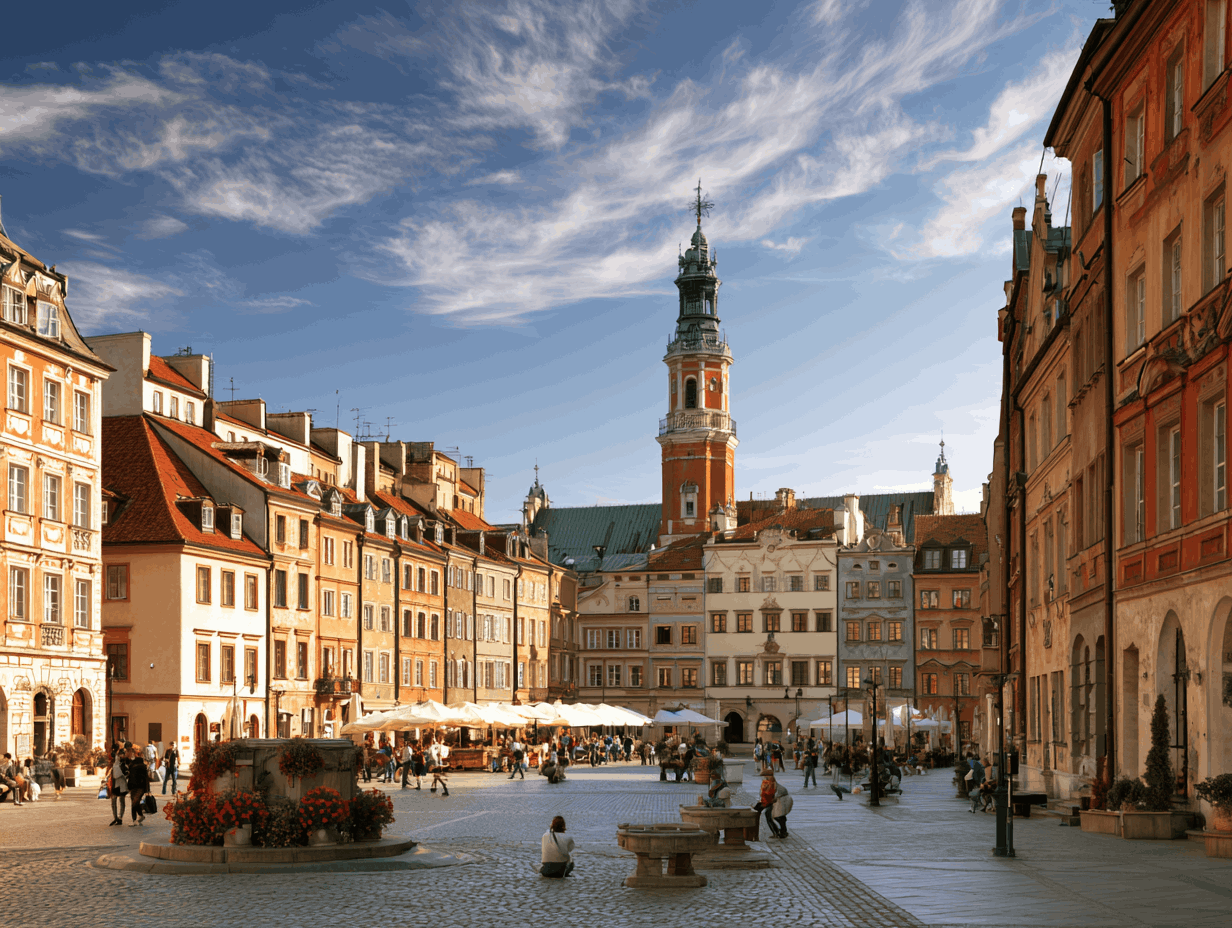
Most of western and southern europe runs on the euro so crossing between countries like france spain italy germany and the netherlands needs no currency change at all. You can pay with the same notes and coins from lisbon to berlin and the only real decision is whether to carry cash or rely on cards. The picture shifts once your route includes places that kept their own money.
Switzerland norway sweden denmark the uk and a few others still use separate currencies. The gap is small enough that many travellers simply withdraw a modest amount on arrival and keep the rest on cards. Exchange offices inside airports and major train stations offer the service but the rates are rarely the best. Street level banks or dedicated exchange counters in city centres usually give a fairer deal if you have time to look around.
Cards work almost everywhere these days. Contactless payments are standard in shops restaurants and ticket machines across the eurozone and in most non-euro countries too. Some smaller cafes or market stalls still prefer cash so it helps to keep a little local money on hand. Notify your bank before the trip if your route crosses several borders because sudden foreign transactions can trigger security blocks.
Exchange points along popular travel lines are easy to spot. Airports have them near arrivals, main stations usually have at least one counter or machine, and tourist areas in the bigger cities are full of options. Machines that take cards and spit out local notes are common but they sometimes add higher fees. Counting the money before you leave the counter is a simple habit that avoids later surprises.
A few practical notes keep things calm. Withdraw larger amounts less often to reduce fixed fees. Avoid changing money at hotel desks because the rates there tend to be weaker. If you have leftover notes from one non-euro country it is often better to spend them before leaving rather than changing them again into another currency. Coins are harder to exchange later so use those first.
Overall the euro makes multi-country routes inside its zone almost frictionless. The moments that need attention are the borders into switzerland the nordic countries or the uk. A mix of card payments and small cash reserves covers nearly every situation without much planning. Once you get used to checking the local currency on arrival the whole process fades into the background of the trip.
A growing directory of travel lines that connect cities,
countries and airports with practical detail.
© 2026 DotNetLines LLC. All rights reserved.
