This route stitches together two portuguese cities and then swings across into spain, giving a solid taste of the iberian peninsula in one trip. Most people spend a few days in Lisbon, head north to Porto, and finish in Madrid. The distances are manageable and the transport choices are flexible enough that you can adjust the pace without much stress.
Lisbon works well as a starting point. Two or three days let you cover the historic centre, the riverside areas and a couple of the hilltop viewpoints. From there the journey to Porto can be done by train in about two and a half to three hours on the faster services. Buses take a bit longer, usually closer to three and a half hours, but they run frequently and drop you near the centre. The train stations in both cities are straightforward once you find the right platform.
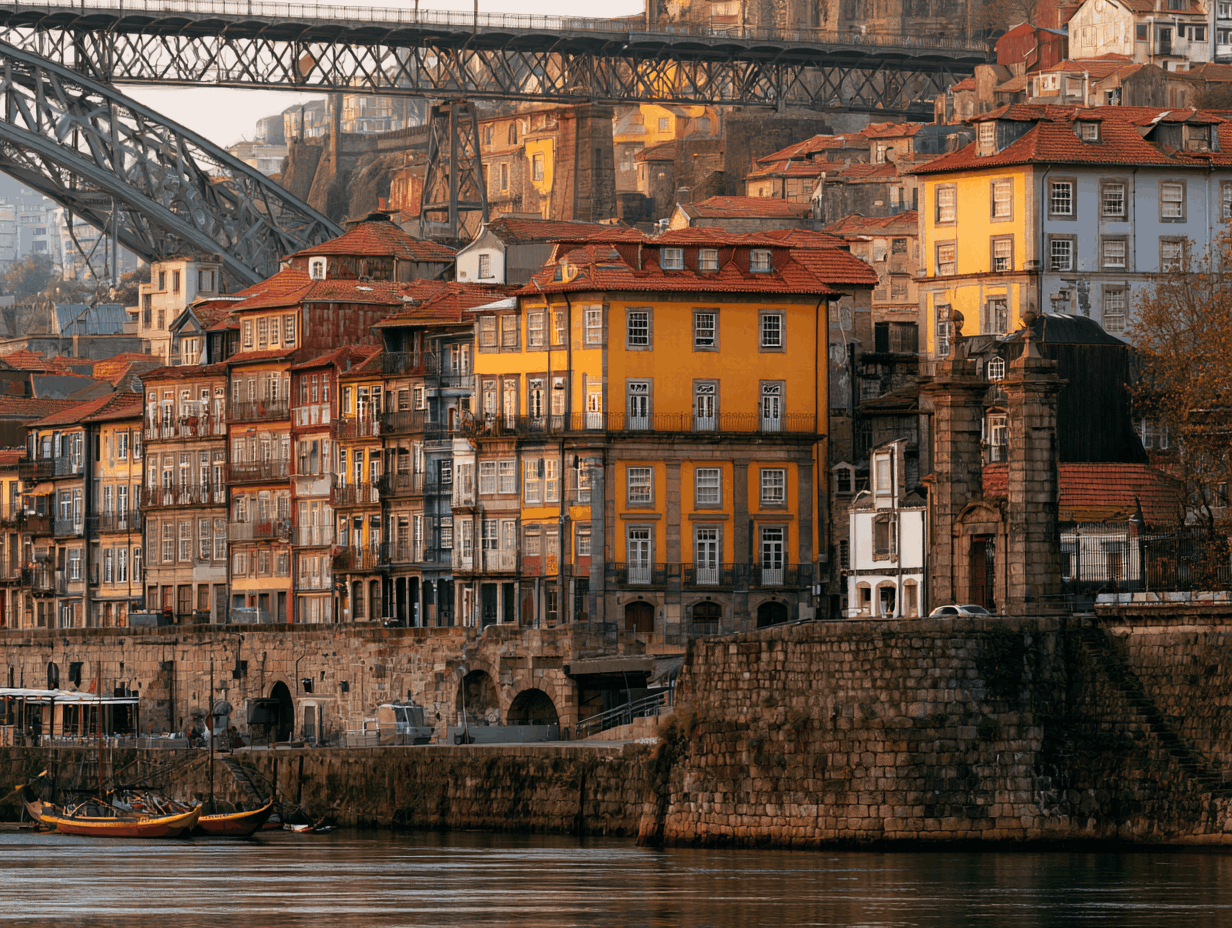
Porto itself feels more compact. One or two full days are usually enough for the riverside, the old streets and the main bridges. The station is close enough to the action that you can walk or take a short ride into the core. From Porto the next leg is the border crossing into spain and on to Madrid. Direct trains are limited, so many travellers take a combination of train and bus or a longer coach that covers the whole distance in around eight to nine hours. Flights exist and cut the time significantly, but once you factor in the airports the total door to door difference shrinks.
Crossing the border is simple these days. Both countries are in the same travel area so there are no formal checks on most land routes. Still it helps to keep your documents handy just in case of a random stop. Journey times can stretch if traffic builds up on the road sections, especially around weekends.
Madrid arrives as a bigger, busier finish. The main stations connect well to the metro and the city centre is reachable without much fuss. Two days give you time for the historic core, a couple of big squares and some of the wider avenues. Local transport is reliable and the distances inside the centre are walkable if you pace yourself.
A few practical notes help the whole line run smoother. Book the longer seats ahead in busy seasons because the popular departures fill. Luggage is fine on both trains and coaches, though space can get tight on the buses. Weather shifts between the atlantic coast and the inland capital, so a light layer is useful even in warmer months. Food stops near stations are easy to find and range from quick bites to longer meals.
Overall the route gives a clear sense of moving from the atlantic edge through northern portugal and into the spanish interior. It works in reverse too, but starting in Lisbon often feels more relaxed because the first stretch stays inside one country before the longer cross-border day.
A growing directory of travel lines that connect cities,
countries and airports with practical detail.
© 2026 DotNetLines LLC. All rights reserved.
