This northern europe combination links three capitals across two borders and works well over five to seven days. You can lean on trains for most of the distance and add a ferry if you want a different rhythm on one of the stretches. The journeys themselves are part of the experience because the landscapes stay interesting the whole way.
Oslo makes a calm starting point. Two days cover the waterfront, the main museums and a few of the hill views without feeling rushed. From there the train to Stockholm takes around six hours on the direct services. The route passes lakes and forests and the carriages are comfortable enough for the longer ride. Some people break the trip with an overnight stop, though most push through in one go. Border formalities between norway and sweden are light these days and usually amount to little more than a quick document check if anything at all.
Stockholm sits in the middle and rewards a slower pace. Two or three nights let you explore the islands, the old town and some of the greener outskirts. The central station connects easily to the rest of the city. From Stockholm the next leg south to Copenhagen can be done by train in about five and a half hours, crossing into denmark along the way. There is also a ferry option from the swedish side that adds a few hours but gives you time on the water. Both routes are reliable and the border crossing into denmark is equally straightforward.
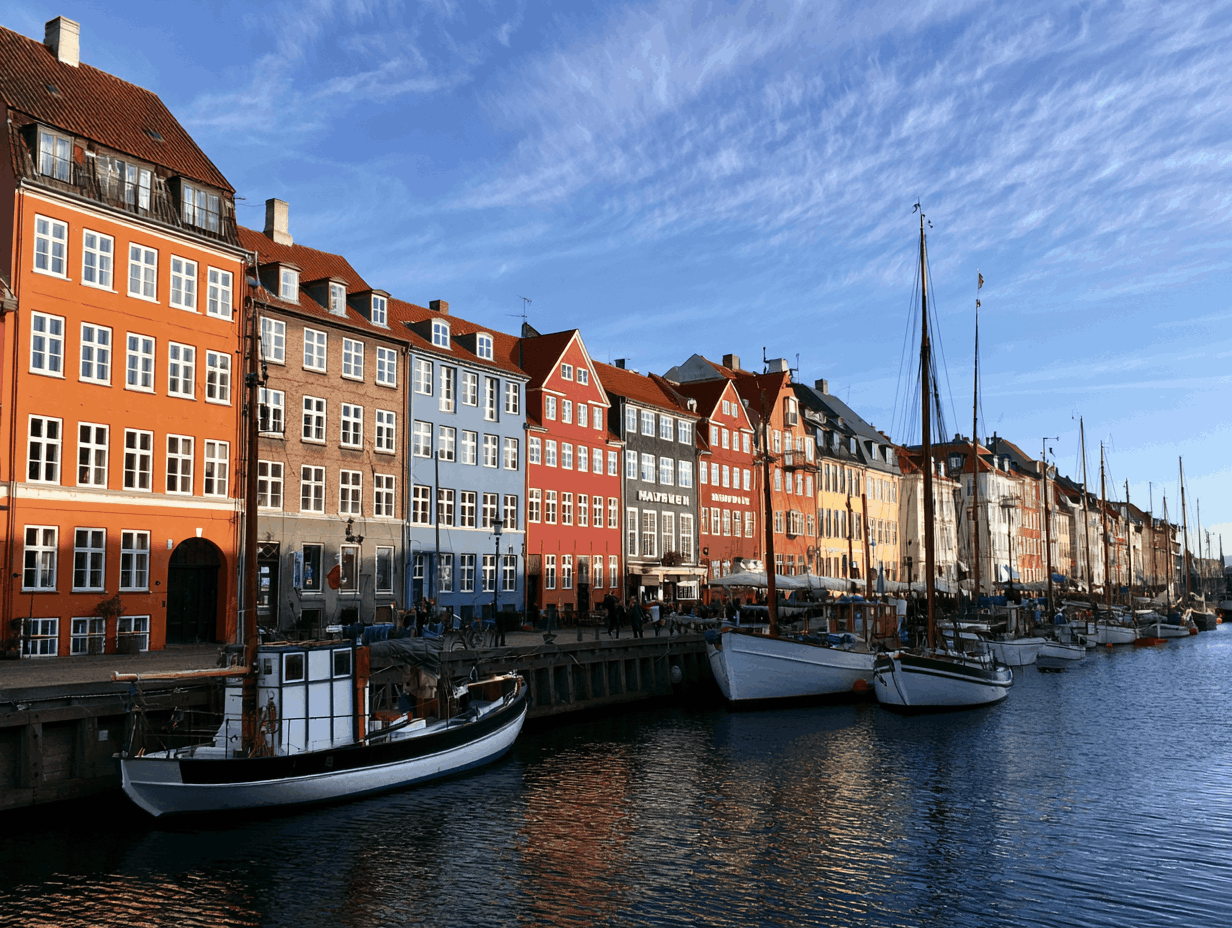
Copenhagen finishes the line with a more compact feel. One or two full days are enough for the harbour areas, the main parks and the lively streets around the centre. Local trains and bikes cover most distances once you leave the main station.
A few practical notes help the whole journey run smoother. Longer train seats are worth reserving in the busier summer months because the popular departures fill. Luggage space is decent on the trains though the ferries can feel tighter if the boat is full. Weather in this part of europe changes fast so layers are useful even in mid summer. Food options near the stations are solid and range from simple cafes to longer sit-down places.
Overall the route gives a clear sense of moving through different scandinavian moods while the transport stays manageable. It works in reverse order too, but starting in Oslo often feels more relaxed because the first long train day sets a steady pace before the final stretch into denmark.
A growing directory of travel lines that connect cities,
countries and airports with practical detail.
© 2026 DotNetLines LLC. All rights reserved.
