This compact route ties together three of Japans major cities and works well over four to six days depending how deep you want to go. Most travellers start in Tokyo, ride the fast trains south to Kyoto for the historic side, then finish in Osaka where the energy feels more everyday and lively. The bullet trains make the distances feel short, so the schedule stays flexible.
In Tokyo the first day or two can cover the main districts without too much rushing. Central stations are well signed and the local lines connect almost everything. From the main terminal the ride to Kyoto takes around two hours and fifteen minutes on the faster services. Trains leave often, usually every twenty or thirty minutes during the day, so you rarely wait long. Platforms are clear once you know your car number, and luggage space is available near the doors or in the overhead racks. Arrival in Kyoto puts you close to the city centre, and from there local buses or short taxi rides reach the temple areas.
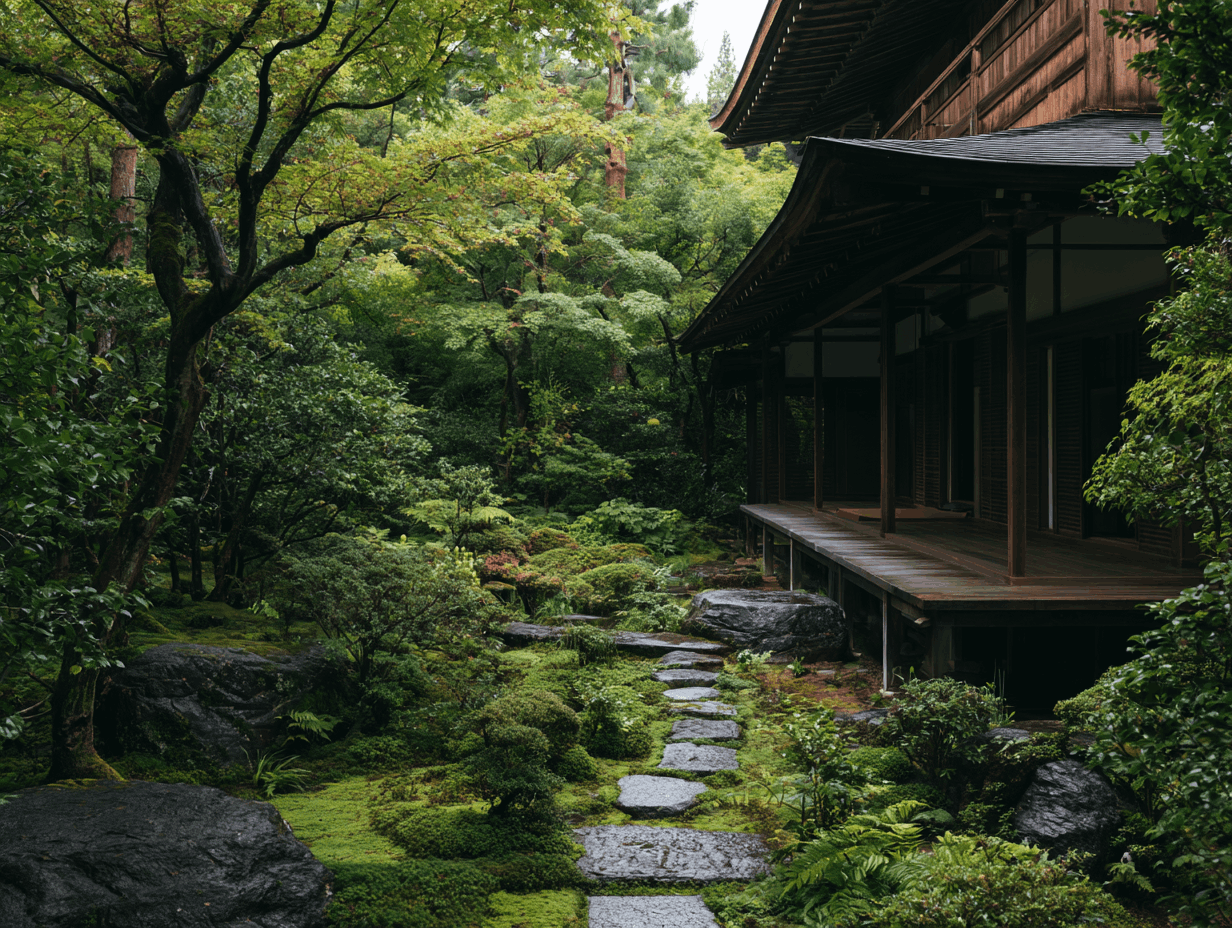
Kyoto itself rewards slower walking. Two full days let you see the main temple clusters, the old streets, and a couple of quieter gardens without packing every hour. Station exits can be confusing at first because there are several, but signs in english help and staff are used to pointing people in the right direction. Some visitors prefer to base themselves near the central station for easy access both ways.
The hop from Kyoto to Osaka is even shorter, often under thirty minutes on the same type of fast train. You can do it in the morning and still have a full afternoon in Osaka. The station in Osaka is large and busy, with clear exits toward the main shopping and food areas. One or two days here is enough for the castle grounds, the lively streets, and a few markets. Local trains and subways cover the rest of the city once you leave the main hub.
A few practical points make the whole line smoother. Tickets for the fast trains are easier to sort out at the big stations where english support is better. Keep your rail pass or ticket handy because ticket gates are strict. Peak morning and evening hours get crowded, so mid-day departures feel more relaxed. Weather changes between the cities are mild most of the year, though rain can arrive suddenly. Food options near every major station are plentiful and range from quick stands to sit-down places.
Overall the route flows naturally from the big modern capital to the quieter cultural heart and then to the more casual southern city. Four days covers the essentials if you move efficiently, while six days give breathing room for slower mornings and extra neighbourhood walks. Either way the train connections keep the travel time low so most of your energy stays for the places themselves.
A growing directory of travel lines that connect cities,
countries and airports with practical detail.
© 2026 DotNetLines LLC. All rights reserved.
